
1992 · Allard
Allard J2X-C 1992 for sale
1992 Allard J2x-c For Sale
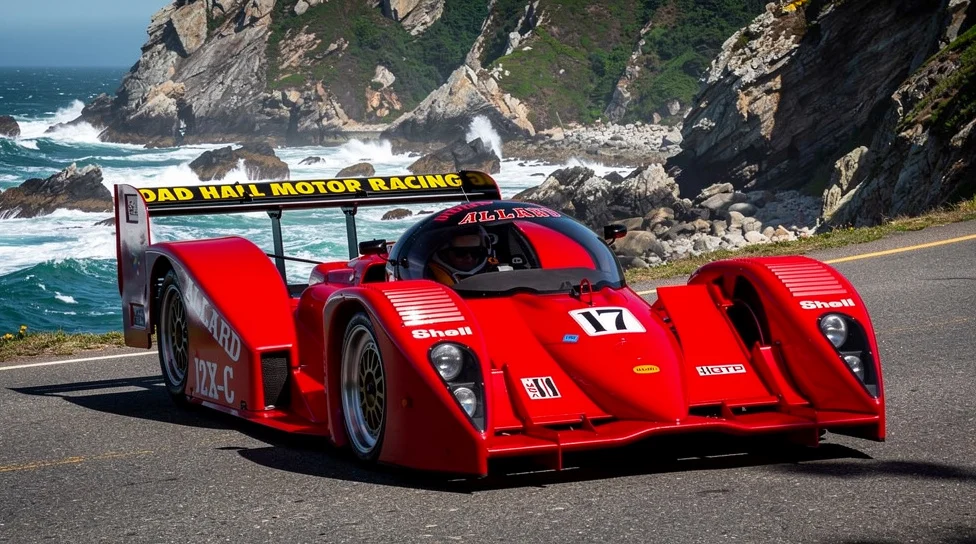
Photo 1 / 26
The story
Allard J2X-C from 1992. A unique 3.5L Group C that revolutionized aerodynamics in Endurance. Suitable for the most prestigious events: Dubai GP Revival, Goodwood Festival of Speed, Daytona Classic 24 Hour, Rolex Monterey Motorsports Reunion, Group C Racing & Le Mans Classic. It was flattering that the Peugeot 905 Evo 2 and, above all, the Toyota GT-One showed more than a resemblance to the J2X, even though the Allard had long since disappeared. The Allard J2XC is a unique 3.5-liter Group C that revolutionized aerodynamics in Endurance. Even though it is over thirty years old, the Allard J2X-C is still relevant. This is simply because iconic cars like the Toyota GT-One, Audi R8, MG Lola, and many modern endurance prototypes are the heirs of this revolutionary Group C. Ascott Collection is proud to offer this magnificent 3.5L Group C for sale for the first time in nearly 20 years. The return to the track of this ALLARD J2X-C that inspired modern endurance prototypes would therefore be a fabulous event. Like the Brun C91 that we know well at Ascott Collection, the Allard J2X-C was built in a single copy. This is not their only common point as its designer engineers are Chris Humberstone, Hayden Burvill, and John Iley, precisely the team responsible for designing the Brun! Both Group Cs also share the fact that they remained for over twenty years within the respective collections of their previous owners and had particularly short sporting careers during that time. Last year, the Brun C91 made a very notable return to historic racing, winning the Diecimila Giri at Castellet against strong competition. Ascott Collection has made it its mission to allow the Allard J2X-C to return to the limelight and why not, to the track! The Allard's specifications aimed to eliminate understeer. The project team received a very precise specification. The Group Cs, which were cars that reached very high speeds both in a straight line and in the big curves, all had a tendency to understeer at the time, which significantly limited their performance and prematurely damaged their tires. The Allard J2X-C aimed to solve this problem... And its designers succeeded! The options chosen for the Allard were based on designing a very narrow carbon fiber chassis with a simple cockpit bubble that allowed the creation of very pronounced tunnels both at the body level and under the car. The goal was to massively feed air to the low-mounted double-deck wing. The concept of the XJR 14 was taken to the extreme on the Allard. Thus, very prominent wings were designed with a still-relevant overall design. The Allard had to be able to develop high aerodynamic downforce while maintaining a minimal frontal area. This is how the front flaps appeared. In general, the recurring problem of understeer in Group Cs was solved by adding aerodynamic appendages on the sides of the front wings. This brought satisfaction in terms of low-speed understeer. However, the disturbance of the high-speed airflow generated by these flaps reduced the effectiveness of the rear wing and thus the overall aerodynamic downforce of the car. In summary, the car lost at high speed what it gained at lower speeds. The use of adjustable flaps and a raised nose to optimize airflow under the car proved to be an excellent solution. This new device allowed support for the front axle while maintaining the airflow necessary for the proper functioning of the rear wing. As for the engine, it is a great classic. The 3.5-liter Ford Cosworth V8 DFR engine was chosen. The car was designed to accommodate different engines. Costas Los, who was behind the Allard project, hoped to convince Honda to provide an engine. Again, the negative prospects of the Group C and IMSA GTP championships led Honda to refrain from committing to supplying an engine. The transmission is a 6-speed gearbox from Formula 1 Leyton House March. The use of carbon can be found at all levels, as in the finest achievements of the time, both for the manufacture of the chassis, the bodywork, and the brake discs. A career too short ruined by the future disappearance of Group C. In 1992, the prospects for the Group C Championship were among the darkest. After banning turbo engines that had made the great hours of Group C, the regulator announced that cars would have to get closer...
Technical specifications
| Anno | 1992 |
Vehicle history
Listing created
8/5/2026
Price
Price on request
Prezzo fisso
By contacting the seller you accept AutoEpoque's Terms and Conditions.
Ascott Collection
Verified seller
- Based in
- Gazeran, FR
- Member since
- 2026
Buyer protection
Your payment stays protected until delivery and vehicle verification.